Training & Curriculum

Learning designed for
the real world.

CODEBIO's curriculum is not built in a classroom and handed to industry. It is built with industry, tested in real contexts, and refined through expert and learner feedback before it reaches scale.
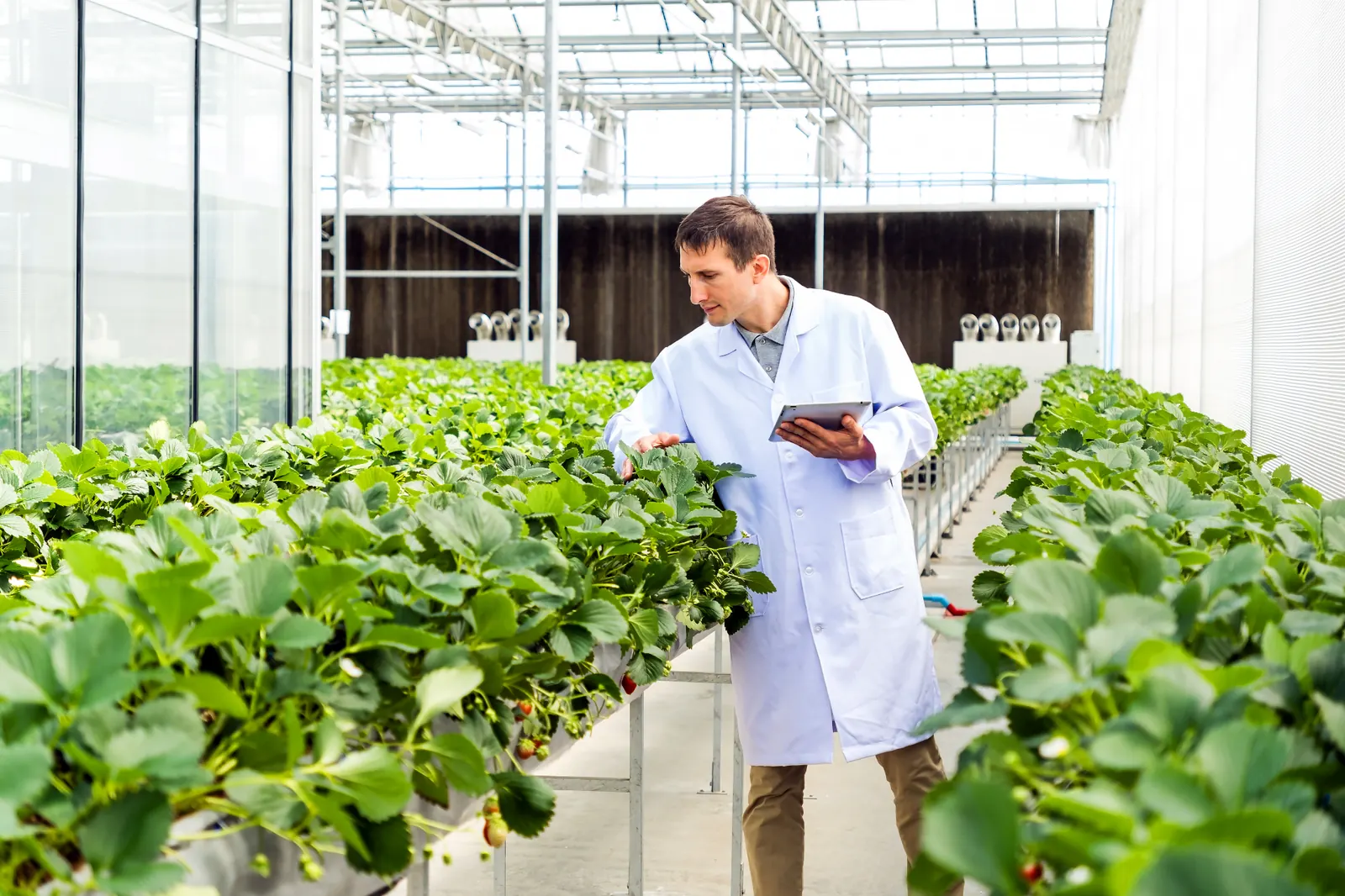
CODEBIO training and curriculum
What the Training Covers

Four interconnected tracks.

01

Digital Agriculture

  • Precision farming technologies
  • IoT-based crop and livestock monitoring
  • AI-driven analytics for productivity and resource efficiency
  • Blockchain for supply chain transparency and food traceability
02

Regenerative and Circular Bio-Production

  • Climate-smart agricultural practices
  • Waste reduction and valorization
  • Sustainable resource management
  • Circular business models for agrifood systems
03

Entrepreneurship and Innovation

  • Business development for agribusinesses
  • Co-innovation methodologies and design thinking
  • Market access and growth strategies for sustainable enterprises
04

Digital Competence for Educators

  • Specialized training for VET trainers
  • Grounded in the European DigComp and GreenComp frameworks
How We Teach

Methodology built for real adoption.

  • 1Blended learning — combining online platforms with in-person workshops and field visits
  • 2Work-based training — real industry placements and case studies from actual agribusinesses
  • 3Pilot programs — each module piloted in Bosnia and Herzegovina, Albania, and North Macedonia with 25–30 participants per country before finalization
  • 4Virtual simulations — making high-quality training accessible regardless of geography
  • 5Micro-credentials — modular certifications that allow learners to build qualifications step by step
Quality You Can Measure

The 6C Methodology.

Every module is assessed using the 6C Methodology: Completeness, Clarity, Conciseness, Consistency, Correctness, and Credibility. External expert reviewers and peer validation ensure that materials meet the highest standards before dissemination.

90%+
Target participation rate in pilots
< 20%
Maximum dropout rate
50%+
Of participants achieving 60% or above on final assessments