Bridging education and industry —
by design.
CODEBIO was built to bridge the gap between Western Balkan agriculture and the vocational education that should be preparing its workforce — precisely, practically, and at scale.
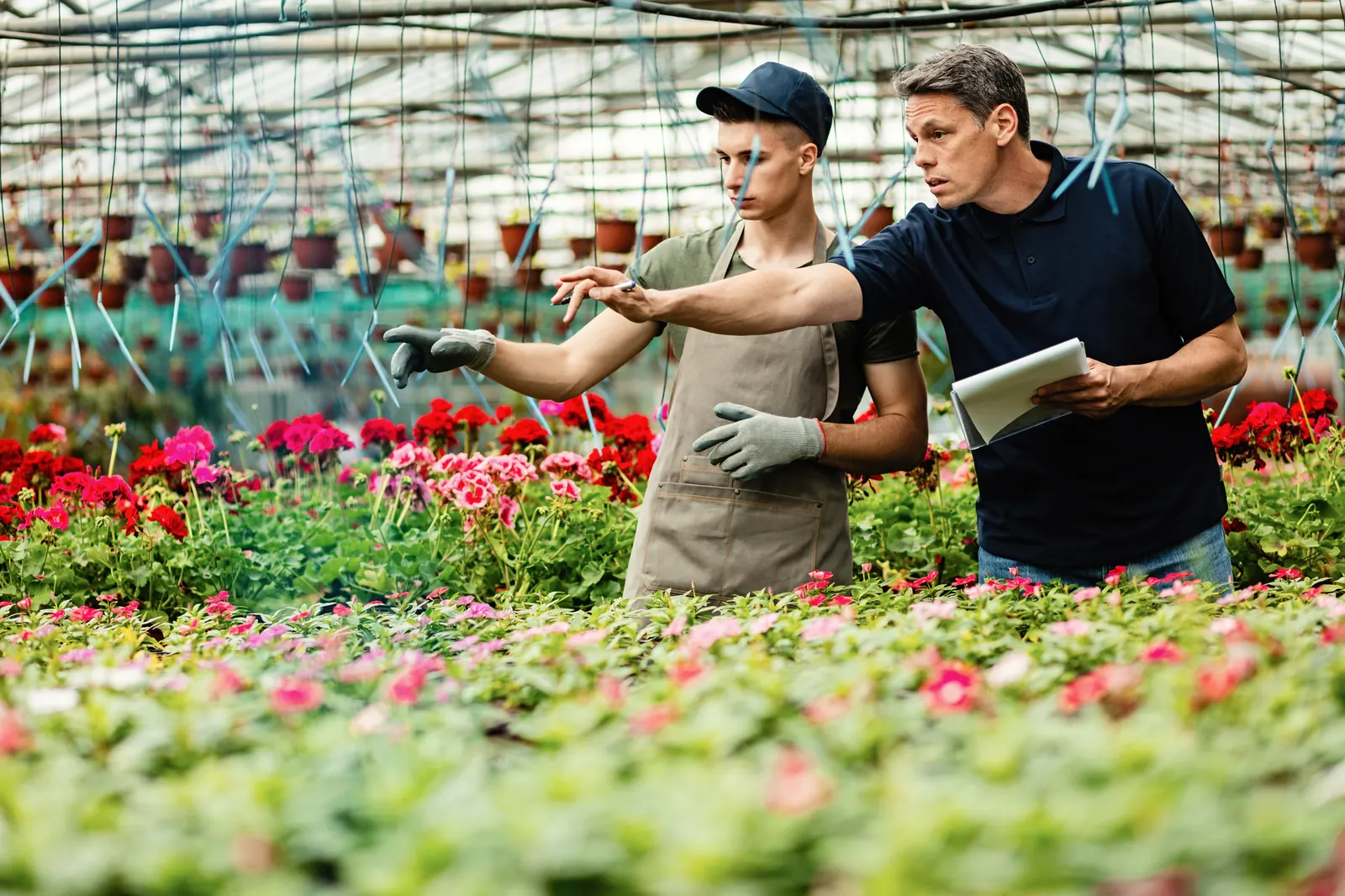
The gap between education and industry — most visible, most damaging.
Agriculture contributes between 5.6% and 9.2% of gross value added across Western Balkan countries. It is not a marginal sector — it is a backbone of regional economies and communities. Yet it is precisely here that the gap between education and industry is most visible, and most damaging.
Only 34% of North Macedonia's population has basic or above-basic digital skills — compared to an EU average of 54%. In Albania and Bosnia and Herzegovina, rural youth face high unemployment, limited access to quality education, and a bio-food sector that struggles to absorb modern practices. VET institutions across the region are trying to serve an evolving industry with tools and curricula that have not kept pace.
Meanwhile, the European Green Deal, the EU Bioeconomy Strategy, and the Digital Education Action Plan are raising the bar on what sustainable, future-ready vocational training must deliver.
CODEBIO was built to bridge this gap — precisely, practically, and at scale.
A Western Balkans where vocational education is a genuine engine of innovation — where VET graduates enter bio-production sectors equipped not only with technical skills, but with the entrepreneurial mindset, digital fluency, and sustainability literacy to drive real change.
Most VET reform projects upgrade content.
CODEBIO changes the process.
Co-innovation means that curriculum development, training design, and knowledge transfer happen with industry, not for it. Agribusinesses, researchers, farmers, and VET educators co-design the learning experience from the ground up — ensuring that what gets taught reflects what the sector actually needs.

Digitalization
Integrating precision farming, IoT-based monitoring, AI-driven analytics, and blockchain-based traceability into practical training programs.
Circular Economy Principles
Embedding regenerative thinking, waste valorization, and resource efficiency into every module.
Flexible Delivery
Blended learning, work-based training, virtual simulations, and a micro-credentialing framework recognized across EU and national qualification systems.
- 01European Green Deal — building the skilled workforce for a low-carbon, resource-efficient agricultural economy
- 02EU Bioeconomy Strategy — developing training for sustainable, bio-based production systems
- 03Digital Education Action Plan 2021–2027 — strengthening digital competencies in VET institutions
- 04European Skills Agenda — aligning vocational training with evolving labor market demands
- 05ETF Torino Process — responding to identified modernization needs in Western Balkan VET systems